

laminated wire glass
The Slow Closing Check Valve is a revolutionary hydraulic component designed to optimize fluid control systems. Developed by Storaen (Cangzhou) International Trading Co., this valve combines innovative engineering with practical functionality to address critical challenges in industrial and commercial applications. This article provides an in-depth analysis of its features, technical specifications, applications, and the company's commitment to quality and innovation. Product Overview The 300X Slow-Closing Muffler Check Valve stands out in the market due to its unique design and performance capabilities. Unlike traditional check valves that operate with abrupt closures, this product employs a patented mechanism to control the opening and closing speed of the main valve. This feature not only minimizes the risk of water hammer but also ensures smooth and stable fluid flow, making it ideal for high-pressure environments. The valve's product image showcases its sleek, durable construction, which is engineered to withstand harsh conditions while maintaining optimal performance. Key Features and Advantages Novel Structure: The valve's design incorporates advanced engineering principles to reduce turbulence and resistance, ensuring a large flow capacity. Superior Sealing: High-quality materials and precision manufacturing guarantee a tight seal, preventing leaks and maintaining system integrity. Adjustable Operation: Users can fine-tune the valve's closing speed to match site-specific conditions, enhancing system efficiency. Long Service Life: Durable components and corrosion-resistant materials ensure longevity, reducing maintenance costs and downtime. Water Hammer Mitigation: The slow-closing mechanism effectively dampens pressure surges, protecting downstream equipment from damage. Technical Specifications Parameter Details Model 300X Slow-Closing Muffler Check Valve Material Stainless Steel, Brass, and Cast Iron (depending on application) Pressure Rating Up to 150 psi (10.34 bar) Flow Capacity 100-500 GPM (depending on size) Operating Temperature -20°C to 120°C Connection Type Flanged, Threaded, or Welded Dimensions Varies by model (refer to product manual for specifics) Applications and Industry Use Cases The versatility of the Slow Closing Check Valve makes it suitable for a wide range of industries. Key applications include: Water Supply Systems: Prevents water hammer in municipal and industrial water distribution networks. HVAC Systems: Ensures stable fluid flow in heating, ventilation, and air conditioning systems. Oil and Gas Industry: Controls fluid flow in pipelines, reducing the risk of pressure surges and equipment damage. Manufacturing Processes: Enhances efficiency in hydraulic systems used in production lines and machinery. Power Generation: Protects turbines and pumps from pressure fluctuations in cooling and feedwater systems. According to the National Institute of Standards and Technology (NIST) , "precision in fluid control systems is critical for maintaining operational safety and efficiency in industrial environments" ( NIST, 2025 ). The Slow Closing Check Valve aligns with these standards by providing reliable performance and minimizing system downtime. Company Background: Storaen (Cangzhou) International Trading Co. Founded with a focus on delivering high-quality hydraulic solutions, Storaen (Cangzhou) International Trading Co. has established itself as a trusted supplier of industrial components. The company's commitment to innovation and customer satisfaction is evident in its product offerings, which include a wide range of valves, fittings, and hydraulic systems. With a strong emphasis on research and development, Storaen ensures that its products meet international standards and address the evolving needs of its clients. Storaen's company website highlights its dedication to quality, with certifications such as ISO 9001 and CE compliance. The company's product page provides detailed specifications and technical support, ensuring that customers can make informed decisions. Conclusion The Slow Closing Check Valve by Storaen (Cangzhou) International Trading Co. represents a significant advancement in hydraulic control technology. Its innovative design, coupled with robust performance and adaptability, makes it an essential component for industries reliant on efficient fluid systems. By addressing common challenges such as water hammer and pressure surges, this valve not only enhances operational safety but also extends the lifespan of critical equipment. For more information about the product or to explore other solutions offered by Storaen, visit the Storaen website . Whether you are upgrading existing systems or designing new ones, the Slow Closing Check Valve is a reliable choice that meets the highest standards of quality and performance. References NIST. (2025). "Precision in Industrial Fluid Systems." Retrieved from https://www.nist.gov/
about
laminated wire glass
How to Change the Main Water Valve A Step-by-Step Guide Changing the main water valve in your home is an essential maintenance task that can prevent water damage and excessive leaks. Whether you're dealing with a malfunctioning valve or simply want to upgrade to a more reliable model, understanding the process is crucial. This guide will walk you through the necessary steps to change your main water valve safely and effectively. Understanding the Main Water Valve The main water valve is a crucial component of your plumbing system, as it controls the flow of water into your home. It’s typically located near where the water line enters your house, often in the basement, crawl space, or outside near the foundation. Knowing how and when to change this valve is important not just for repairs, but for emergencies, such as significant leaks or burst pipes. Tools and Materials You’ll Need Before you begin, gather the necessary tools and materials. You will need - A new main water valve (ensure it’s the correct size and type) - Pipe wrenches or adjustable wrenches - Plumber's tape - A bucket or towels to catch water - Safety glasses and gloves - A pipe cutter (if you need to remove any sections of pipe) Step-by-Step Process 1. Turn Off the Water Supply The first and most crucial step in changing the main water valve is to shut off the water supply to your home. This can usually be done at the municipal supply, often located at the street or in a designated access point. Once you turn this off, open a faucet in the house to allow any remaining pressure to escape, preventing backflow when you remove the valve. how to change main water valve 2. Drain the System To avoid flooding, it’s a good idea to drain the pipes. Open faucets at the highest and lowest points in your home to let any remaining water flow out. This step minimizes water spillage when you remove the old valve. 3. Locate the Valve Find the main water valve; it could be a gate valve or a ball valve. Inspect the connections and surrounding pipes to assess how best to approach the replacement. 4. Remove the Old Valve Using your pipe wrench, loosen the nuts connecting the valve to the pipes. Depending on the type of valve, you may need to cut the pipe if it is soldered or too corroded to remove easily. Be cautious here; ensure your cuts are clean to facilitate a better seal with the new valve. 5. Prepare the New Valve Before installing the new valve, measure the space to ensure a proper fit. Apply plumber’s tape to the threads of the new valve to prevent leaks. This helps create a watertight seal when you attach it to the existing plumbing. 6. Install the New Valve Position the new valve in place, ensuring it’s oriented to allow for the correct flow direction (usually indicated by an arrow on the valve). Tighten the connections with your wrench, ensuring they are snug but not overly tight, which could damage the fittings. 7. Restore Water Supply Once the new valve is securely in place, turn the water supply back on slowly. As you do this, watch for leaks around the fittings. If everything looks good, restore normal water pressure by turning on faucets and letting air escape. 8. Test the System Run water through the system to ensure the new valve is functioning correctly. Check all nearby connections for any signs of leaking. If you notice any drips, you may need to retighten the connections or apply more plumber's tape to ensure a secure fit. Conclusion Changing the main water valve in your home is a straightforward process that can save you from future headaches related to leaks and water damage. By following this step-by-step guide, you can safely replace your valve with confidence. However, if you encounter any complications or are unsure about the process, don’t hesitate to consult a professional plumber. Regular maintenance and timely repairs are key to keeping your plumbing system in optimal condition.
-

High quality industrial productsagement

High quality industrial products
View Details -

Meet the diverse needs of customers

Meet the diverse needs of customers
View Details -

Strict quality control

Strict quality control
View Details -

Top raw materials

Top raw materials
View Details -

Trusted supplier

Trusted supplier
View Details
Our application


news and information
Valve China - Leading Provider of Valve Solutions
Valve China A Gateway to Industrial Innovation Valve China has emerged as a pivotal player in the gl
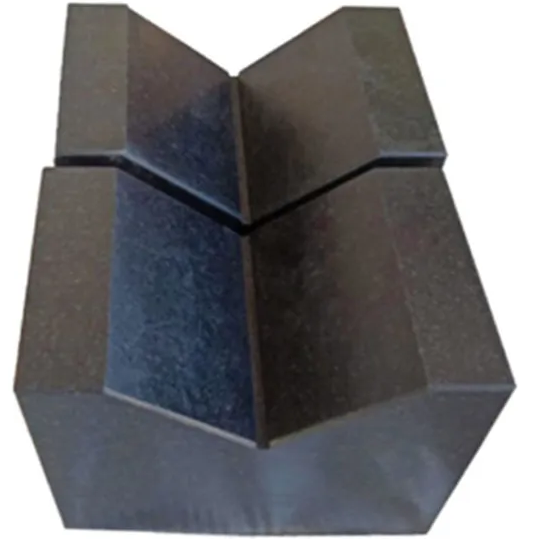
Welding Table for 3x6 Workpieces with Sturdy Construction and Adjustable Design
Welding is a crucial process in many industries, from manufacturing to construction. A proper weldin
water main check valve
Understanding the Importance of Water Main Check Valves Water supply systems are the lifeblood of an
 English